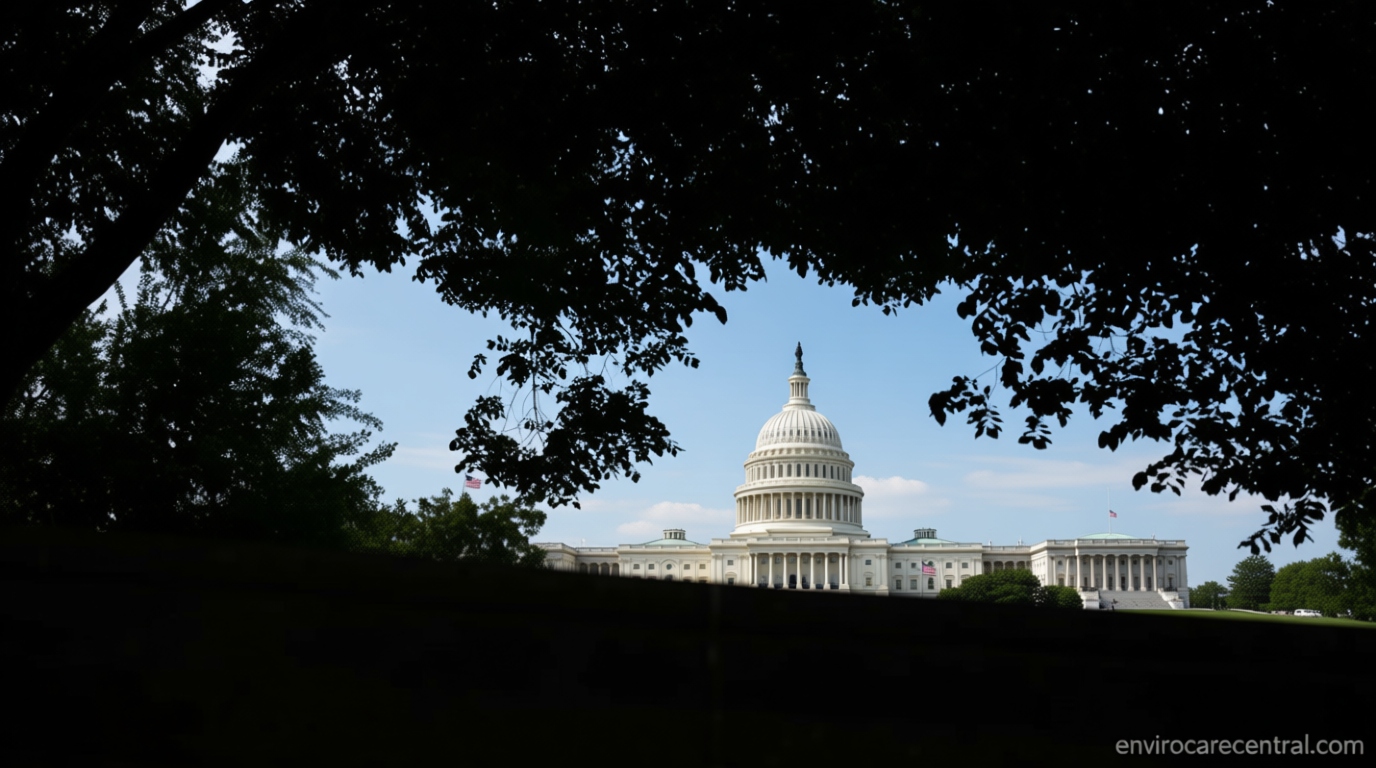
GOP Leaders Cancel House Vote on Iran War Powers
GOP leaders abruptly cancel House vote – GOP leaders abruptly canceled the House vote on Iran war powers, a move that left Democrats scrambling to voice their concerns. The decision was made just days before Memorial Day, with Republican leaders opting to delay the resolution to avoid immediate backlash against President Donald Trump. The resolution, which aimed to curtail the executive’s ability to escalate military action in Iran, had garnered support from across the aisle but was now shelved as GOP strategists prioritized political considerations over legislative momentum.
Democratic Reaction to the Cancellation
The abrupt cancellation of the House vote sparked immediate criticism from Democratic lawmakers, who accused the GOP of undermining the legislative process. House Democratic Leader Hakeem Jeffries, Whip Katherine Clark, and Caucus Chair Pete Aguilar jointly denounced the move, calling it a betrayal of congressional oversight. “This is a wholly-owned subsidiary of the Trump administration,” said Jeffries, emphasizing that the resolution was poised for passage with bipartisan backing. The delay has raised questions about the House’s role in checking executive power, particularly in light of the ongoing conflict with Iran.
“They pulled the vote to avoid the criticism, even though we had the votes,” said Rep. Gregory Meeks, a key Democrat on the House Foreign Affairs Committee. The resolution, which Meeks had championed, was designed to require congressional approval for military strikes against Iran. He argued that the timing of the cancellation was deliberate, intended to prevent public accountability and shield Trump from scrutiny. “They knew we had the support, and they didn’t want to let it happen,” Meeks added, highlighting the political calculus behind the decision.
Senate’s Bipartisan Stance Contrasts with House Retreat
While the House delayed its vote, the Senate had already approved a similar resolution, reflecting a more unified approach to constraining Trump’s war powers. The Senate’s action demonstrated bipartisan agreement on the need to limit executive authority in the Iran conflict. However, the House’s retreat has drawn sharp contrasts, with Democrats accusing GOP leaders of sacrificing principle for partisan gain. Meeks noted that the Senate’s approval gave the House resolution a “bipartisan stamp of approval,” making the cancellation all the more contentious.
President Trump, meanwhile, defended the administration’s stance on the Iran conflict, asserting that the war remains popular with the American public. In a recent press briefing, he framed the military action as a necessary response to Iran’s nuclear ambitions, claiming that “everyone tells me it’s unpopular, but I think it’s very popular when they hear it’s about nuclear weapons.” He emphasized the threat posed by Iran’s military capabilities, including its potential to strike major U.S. cities, to justify the continued use of force without congressional approval.
Public Sentiment and GOP Division
A recent CNN poll revealed that 77% of voters—across party lines—believe Trump’s policies have exacerbated rising living costs. The survey underscores the economic strain linked to the Iran war, with many Americans citing increased fuel prices and inflation as direct consequences. Despite this, GOP leaders have maintained that the House vote’s cancellation was a strategic move to avoid backlash and maintain party unity. “We had to protect the president’s agenda,” said a GOP spokesperson, though the move has deepened the divide within the party.
Meeks had anticipated the House vote would proceed earlier in the week, but Speaker Mike Johnson’s office reportedly pushed for a delay. The congressman suggested the decision was made to allow the administration to frame the resolution as a bipartisan achievement, thereby softening the criticism. “This is a political move to preserve the president’s image,” Meeks said, adding that the delay could lead to further debates about the House’s commitment to oversight. The cancellation has also sparked discussions about the balance of power between the executive and legislative branches, with many observers questioning the GOP’s ability to enforce accountability.