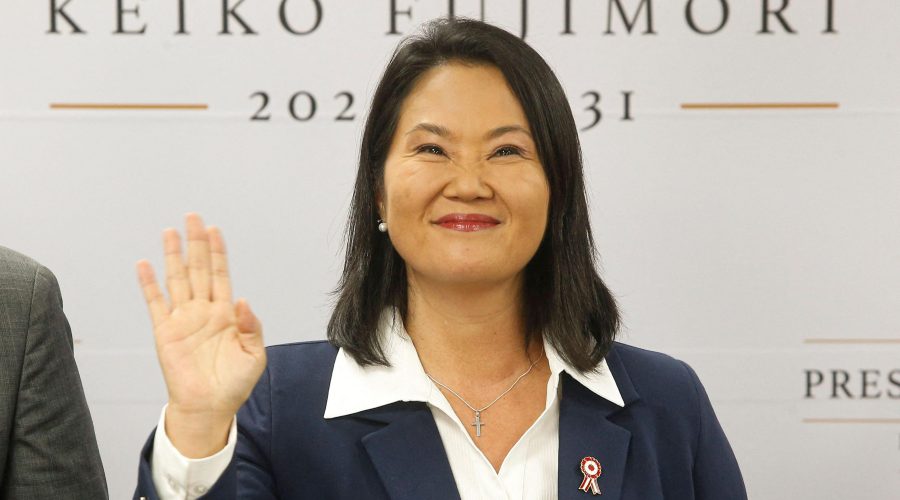
Keiko Fujimori Wins Peru’s Presidential Election
Keiko Fujimori declared winner of Peru’s presidential election weeks after the vote, securing a narrow lead in the country’s latest contest. The right-wing leader, who has previously run for office in 2011, 2016, and 2021, won 50.135% of the vote, defeating left-wing contender Roberto Sánchez by less than 50,000 ballots. This victory, announced nearly a month after the June 7 runoff, underscores the close nature of Peru’s political race and the significance of Fujimori’s fourth bid for the presidency.
A Decisive but Tenuous Victory
Fujimori’s win came amid heightened political tension and scrutiny of the electoral process. The 51-year-old candidate, known for her anti-corruption rhetoric, emerged as a unifying figure in a fractured electorate. Her campaign focused on reducing crime, a priority that resonated with voters frustrated by years of instability. Analysts note that her narrow margin of victory—just 0.27%—reflects deepening divisions between urban and rural populations, as well as between supporters of her father, former president Alberto Fujimori, and more progressive factions.
Despite the controversy surrounding her father’s legacy, Fujimori has positioned herself as a reformer. Her platform promises economic revitalization through private investment and a crackdown on organized crime, particularly extortion networks that have plagued Peruvian society. This strategy has drawn comparisons to her father’s tenure, though Fujimori insists her approach is distinct. The election results, confirmed by Peru’s electoral court, now set the stage for her administration’s challenges in uniting a polarized nation.
Controversies and Campaign Dynamics
Roberto Sánchez, the left-wing opponent, challenged the election’s validity, alleging irregularities in the vote count. His party argued that overseas Peruvian voters influenced the outcome disproportionately, a claim that has fueled debates about the fairness of the process. Fujimori’s team, however, defended the results, emphasizing the strength of her campaign’s messaging and strategic alliances. The delayed certification of results highlighted the complexity of Peru’s electoral system, with legal appeals and manual recounts prolonging the final announcement.
“Each day of this transition process is an opportunity to listen, engage in dialogue, and arrive prepared at the start of the new government,” Fujimori said in a post-election address.
Her remarks underscored the need to address public concerns while balancing the demands of a divided electorate. The upcoming inauguration on July 28 will mark the beginning of her administration, which faces the dual task of restoring public trust and implementing her agenda amid ongoing political strife.
Regional Context and Political Trends
Fujimori’s victory aligns with a broader trend of right-wing leaders gaining traction in Latin America. Her narrow win mirrors similar outcomes in Colombia, where Abelardo de la Espriella narrowly won a presidential runoff, and in El Salvador, where Nayib Bukele has consolidated power. These leaders often emphasize security and economic stability, appealing to voters weary of leftist policies and high crime rates. Fujimori’s success also reflects the appeal of her father’s political brand, which continues to influence Peruvian politics despite his past scandals.
The election results highlight the evolving dynamics of regional politics. As U.S. President Donald Trump re-engages with Latin America, right-wing leaders like Fujimori and de la Espriella have leveraged his rhetoric to bolster their campaigns. This alignment with conservative global narratives has shaped voter sentiment, with many prioritizing law-and-order over social reforms. Fujimori’s win, however, remains a testament to Peru’s unique political landscape, where historical ties to her family’s legacy play a critical role in shaping the nation’s future.