Sri Lanka Prison Riots Leave 26 Dead, Over 100 Injured
Sri Lanka prison riots leave 26 dead – Violent unrest at a prison in western Sri Lanka has resulted in the deaths of 26 individuals, with seven of them being prison officers, and over 100 others sustaining injuries. The incident, which unfolded over two days, began with clashes between rival groups of prisoners at Negombo Prison, a facility located in a coastal town north of Colombo. According to reports, the first day of chaos saw inmates seizing the weapons of guards, leading to the deaths of two people and numerous injuries.
Escalation of Hostilities
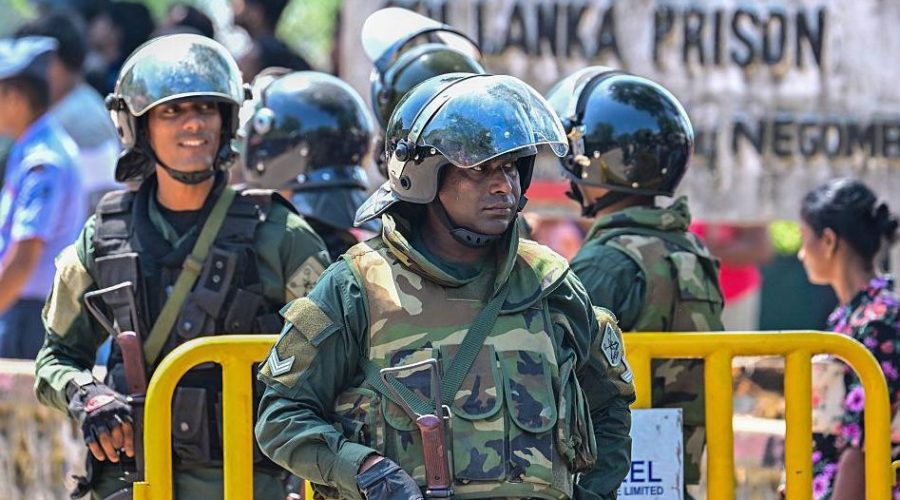
As tensions grew, groups of male inmates and female prisoners from an adjacent unit climbed onto the prison rooftops, demanding release. The confrontation intensified on Monday when detainees attempted to storm the prison gates, prompting security forces to deploy and fire multiple rounds inside the facility. The violence was reportedly triggered by a dispute involving an inmate who had informed on a drug trafficking operation within the prison, sparking a chain reaction of conflict.
“Some told BBC Sinhala they had not been given information about where their relatives were, or who was alive and who had died,” a relative of one of the victims said.
Following the outbreak of violence, officials confirmed that 23 prison officers and 54 detainees are still receiving medical treatment. Some of the wounded were transported to Negombo Hospital, where the hospital director reported that several had suffered gunshot wounds, while others had sustained cuts and severe bruises. Additional casualties were taken to Colombo National Hospital for further care. AFP noted that the roof of the prison collapsed during the incident, causing injuries to some of the women involved.
Relatives of the inmates gathered outside the facility on Monday as the situation unfolded, expressing frustration over the lack of updates. “We didn’t know if our loved ones were safe or where they were being held,” said one family member, underscoring the emotional toll of the crisis. Prisoners were eventually escorted to buses to be moved out of the area, but the prison complex remains in disarray as teams work to clear the remaining areas.
Broader Context of Overcrowding
Sri Lanka’s prison system has long struggled with overcrowding, a factor that likely contributed to the violence. As of Sunday, the country’s prisons were housing 41,250 inmates, which exceeds their designed capacity by four times. This has led to strained resources, increased tension, and a higher risk of riots. The latest incident is described as one of the worst in recent years, with officials emphasizing the need for systemic reforms.
Prisons commissioner media spokesperson AC Gajanayake stated that measures have been implemented to relocate prisoners to other facilities, aiming to prevent further overcrowding and instability. Meanwhile, Minister of Justice and Prisons Harshana Nanayakkara has directed authorities to conduct a thorough investigation and submit a detailed report on the causes of the disturbance. The government has also placed the military on standby, following a request from police for support during the crisis.
The riots at Negombo Prison mark a significant escalation in the frequency and severity of unrest within Sri Lanka’s correctional institutions. While such incidents are not uncommon in overcrowded facilities, the scale of this outbreak has raised concerns about the conditions in which prisoners are kept. In December 2020, a similar riot at another prison facility resulted in 11 deaths and 117 injuries, highlighting a recurring pattern of violence linked to the systemic pressures on the prison system.
Analysts suggest that the combination of overcrowding, limited access to basic amenities, and poor communication between inmates and staff has created an environment ripe for conflict. The recent events at Negombo Prison underscore the urgent need for addressing these issues, particularly as the population continues to grow. The collapse of part of the prison roof during the incident, which injured several female detainees, further illustrates the physical dangers posed by the deteriorating infrastructure.
Aftermath and Response
Authorities are now working to stabilize the situation, with ongoing efforts to clear the prison and assess the damage. The military’s involvement has been a critical step in ensuring security, though the long-term solution will require addressing the root causes of the unrest. The prison’s overcrowded conditions, which have persisted for months, have been cited as a key factor in the violence.
While the immediate focus remains on treating the injured and restoring order, the incident has sparked broader discussions about the state of Sri Lanka’s prison system. The government has faced criticism for failing to implement long-term solutions, despite repeated calls from officials and activists. The Ministry of Justice and Prisons has since taken steps to investigate the circumstances leading to the riots, with the goal of preventing future outbreaks.
For the families of the victims, the crisis has been both traumatic and confusing. Many reported being unaware of the severity of the situation or the identities of those affected. “We were told to wait outside, but no one explained what was happening inside,” said a mother whose son was among the injured. The lack of transparency has fueled anger, with some relatives questioning the preparedness of prison authorities to manage emergencies.
The riots also highlight the challenges of maintaining order in a system under immense pressure. With over 41,000 inmates crammed into facilities meant for a fraction of that number, the risk of violence is ever-present. The latest incident has served as a stark reminder of the human cost of these conditions, with 26 lives lost and more than 100 others left with lasting injuries. As the situation continues to unfold, the focus remains on both immediate relief and long-term reforms to prevent similar tragedies in the future.