UK Fighter Jets Intercept Russian Plane Over Norwegian Sea
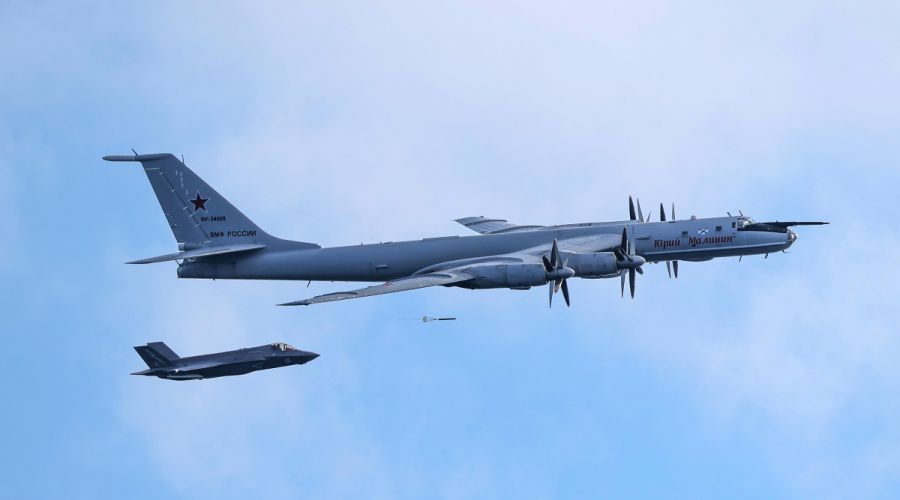
UK fighter jets intercept Russian plane – The UK’s Ministry of Defence confirmed that fighter jets intercepted a Russian maritime patrol aircraft after it “repeatedly approached” a carrier strike group operating in the Norwegian Sea. The encounter occurred on Thursday, with the Russian Bear-F plane flying at low altitude and coming “unnecessarily close” to the HMS Prince of Wales, a flagship of the Royal Navy. The MoD reported that the aircraft likely deployed 10 sonobuoys into the water, which are used to detect submarines and other vessels. This incident marks a significant escalation in tensions between the UK and Russia, as military forces remain vigilant in the region.
Carrier Strike Group Deployment and NATO Context
The HMS Prince of Wales, which serves as the centerpiece of the UK’s Carrier Strike Group, is currently stationed off the coast of Iceland under NATO command. The group includes the Type 45 destroyer HMS Duncan, F-35 Lightning II jets, and a fleet of Merlin and Wildcat helicopters. Additionally, the RFA Tidespring, a replenishment tanker, provides logistical support to the operation. This deployment is notable as it represents the first time NATO has conducted air policing missions from a European-based aircraft carrier, highlighting the alliance’s growing reliance on UK naval assets in strategic operations.
The interception occurred during routine patrols, with British forces attempting to communicate with the Russian plane on international frequencies. Despite repeated calls, the Russian aircraft did not respond, prompting the deployment of two F-35 jets from the Prince of Wales to escort it away from the carrier group. This maneuver underscores the UK’s commitment to defending its interests in the region, even as it maintains a diplomatic posture of calm professionalism.
Previous Incidents and Military Concerns
Earlier this year, Royal Marines carried out a high-profile operation by boarding a Russian shadow fleet oil tanker in the English Channel, demonstrating the UK’s readiness to act decisively against potential threats. The incident in the Norwegian Sea follows closely on the heels of these actions, with Defence Secretary Dan Jarvis emphasizing the heightened risks facing the nation. During a visit to the Prince of Wales, he stated, “We live in an increasingly dangerous and uncertain time, and it’s deployments like this, supported by allies and partners including Iceland, that improve our deterrence and defence as part of NATO.”
British military officials have consistently warned that Russia is actively probing NATO defenses, raising the stakes of potential confrontations. Sir Richard Knighton, the Chief of the Defence Staff, told the BBC in June that Moscow has been “probing, challenging, testing our defences” and is “raising the stakes and risks of crossing a line.” These remarks align with NATO’s broader concerns about Russia’s readiness to use military force by 2030, as outlined in recent strategic assessments. The ongoing activities in the Norwegian Sea are seen as part of this larger pattern of aggressive behavior.
Meanwhile, the UK government has unveiled its long-delayed plan to boost defense spending, which includes a £15bn increase in military funding. The plan, announced last week, will be partially funded by reallocating budgets from other government departments. However, opposition MPs and military figures have criticized the initiative, arguing that it does not fully address the scale of the threat posed by Russia. The controversy over the funding plan contributed to the resignation of John Healey and Al Carns from Sir Keir Starmer’s administration in June, further intensifying debates about national security priorities.
Sanctions and the Novichok Attack
As part of its broader strategy to counter Russian influence, the government has also imposed sanctions on seven individuals and two organizations linked to the development of chemical weapons. These targets include those responsible for the Novichok attack in Salisbury in 2018, which killed Dawn Sturgess, and figures involved in the poisoning of Russian opposition leader Alexei Navalny in 2024. The sanctions aim to hold key players accountable for their roles in these incidents, which are seen as acts of aggression against British interests and international norms.
Shadow defence secretary James Cartlidge reiterated the importance of the funding plan, stating, “Only by prioritising defence spending over a bigger welfare state can the government hope to deliver the funding our forces need.” He described the current plan as “shambolic,” reflecting concerns that the UK’s military readiness may be compromised without sufficient investment. This criticism comes amid a backdrop of growing geopolitical tensions, with the military chief, Badenoch, recently warning that Sir Keir Starmer has left a “mess” for Rishi Sunak, the current prime minister, as the nation faces its most dangerous period since the Cold War.
The intercepted Russian plane incident has reignited discussions about the UK’s role in NATO and its ability to project power in contested waters. With the carrier strike group stationed in the North Atlantic, the UK is positioning itself as a key player in ensuring regional stability. However, the episode also highlights the need for sustained funding to maintain operational readiness, a challenge that has been at the center of recent political debates. The MoD’s description of Moscow’s actions as “unsafe and unprofessional” suggests a broader critique of Russia’s conduct in maritime operations, particularly in areas of strategic importance to NATO allies.
Analysts note that the Norwegian Sea, a critical corridor for NATO movements, has become a flashpoint for military activity. The deployment of sonobuoys by the Russian aircraft is seen as a calculated move to gather intelligence, potentially assessing the capabilities of the UK’s naval forces. While the exact intent of the interception remains unclear, the event underscores the importance of maintaining a robust defense posture in an era of escalating global conflict. As NATO prepares for potential crises, the UK’s commitment to air policing from its carrier-based assets signals a shift in how the alliance manages threats in real time.
Broader Implications for UK Security
The MoD’s response to the Russian plane’s actions has drawn attention to the UK’s evolving security landscape. With the carrier strike group deployed in the North Atlantic, the nation is reinforcing its presence in the region, a move that aligns with NATO’s goal of deterring Russian aggression. The incident also serves as a reminder of the interconnected nature of modern warfare, where threats can emerge from multiple domains, including maritime and aerial spaces. As the government continues to shape its defense strategy, the balance between immediate operational needs and long-term investment will be crucial in ensuring the UK’s ability to respond to emerging challenges.
Badenoch’s recent comments about the “most dangerous period” the UK has known since the Cold War resonate with the current climate of geopolitical uncertainty. The combination of military encounters, sanctions, and defense spending debates reflects a multifaceted approach to countering Russian influence. While the immediate threat from the intercepted plane may have been neutralized, the broader implications for NATO operations and the UK’s national security remain a pressing concern for policymakers and military leaders alike.
As the Carrier Strike Group continues its mission, the UK’s strategic posture in the North Atlantic will be closely watched. The use of sonobuoys and the subsequent aerial escort demonstrate the effectiveness of the UK’s military assets in responding to potential threats. This incident is likely to serve as a catalyst for further discussions on defense funding, international cooperation, and the role of NATO in safeguarding European security. The UK’s actions in the Norwegian Sea reinforce its commitment to standing firm against Russian expansionism, even as it navigates internal political challenges.