
NTSB probes why a UPS jet lost an engine and crashed on takeoff
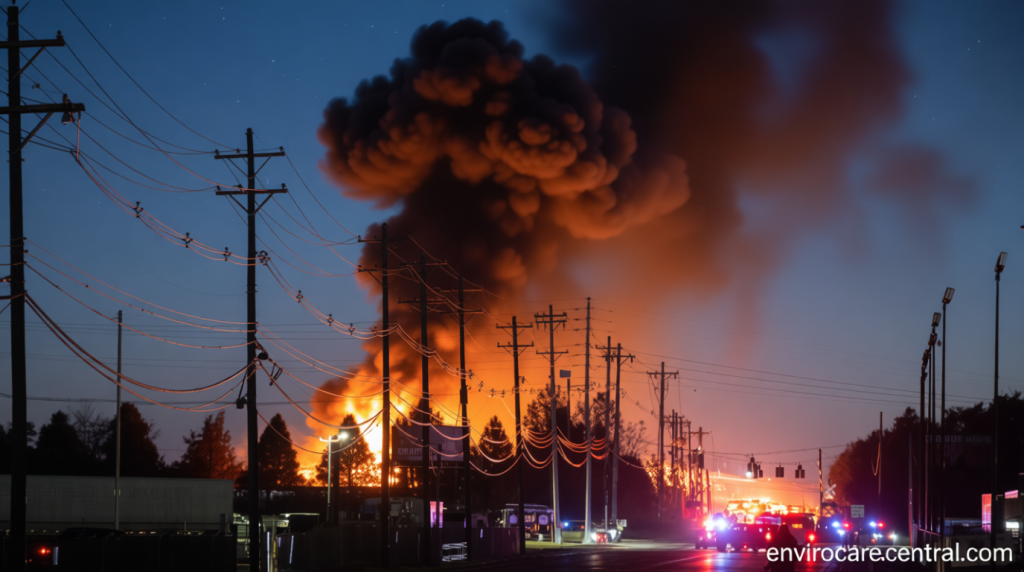
NTSB Investigation into UPS Jet Engine Failure
NTSB probes why a UPS jet lost – The National Transportation Safety Board (NTSB) began a two-day inquiry on Tuesday to examine the causes behind a UPS McDonnell Douglas MD-11F jet losing an engine and crashing shortly after departure from Louisville, Kentucky. This incident, which occurred last year, has prompted the board to gather testimony and analyze technical data to uncover the factors that led to the disaster. Jennifer Homendy, chairwoman of the NTSB, emphasized the gravity of the situation during the hearing, stating,
“We issue safety recommendations … they are to be taken seriously. Those recommendations are aimed, they’re comprehensive, they’re extensive, and they’re aimed at preventing another tragedy. If they’re not implemented … we will be here again.”
Her remarks were directed at the families of the victims, many of whom had gathered to listen as the investigation unfolded.
Crash Details and Casualties
On November 4, UPS flight 2976, a cargo plane bound for Hawaii, crashed within minutes of takeoff from Louisville Muhammad Ali International Airport. The incident left a trail of flames and wreckage stretching nearly half a mile, with thick black smoke rising into the sky. Among the 15 fatalities were the three crew members on board and one individual who later succumbed to their injuries, 51 days after the crash. Additionally, 23 people on the ground were reported injured. The aircraft, a 34-year-old model with three engines—two mounted on the wings and one on the tail—was the focus of the NTSB’s scrutiny. The plane had ascended only about 30 feet before impacting a warehouse, storage yard, and petroleum recycling facility outside the airport.
Structural Failure Analysis
Investigators revealed that the crash was caused by the failure of structural fittings securing the left engine to the wing. These components, known as brackets, were designed to support the engine during flight. The NTSB highlighted that the bearing race—a spherical bearing within the mount—cracked due to fatigue, leading to an unexpected separation of the engine from the wing. This breakdown shifted abnormal stress onto the lugs, which then fractured, allowing the engine to detach mid-air. An animation presented during the hearing illustrated the engine-to-wing attachment system, showing how the design flaw culminated in the catastrophic failure.
FAA and Boeing’s Response
The hearing coincided with the Federal Aviation Administration’s (FAA) recent decision to approve the MD-11F model for re-entry into service. Just days prior, the FAA had cleared the same aircraft type for operation after Boeing submitted a protocol to address previous concerns. However, the NTSB’s investigation now aims to determine whether the agency or the manufacturer missed critical warnings before the crash. David Springer, a senior director at UPS Airlines, described the event as a combination of mechanical and operational issues, stating,
“We have a bearing fracture, and it slides out, it migrates a little bit. It’s not a big deal. The rest of the damage that was being caused was a big deal. I think if we would have known that at UPS, I think we would have asked a lot of different questions over the years.”
This underscores the debate over whether the structural problems were adequately addressed by the FAA and Boeing.
Operational Safety Protocols
The NTSB’s focus extends beyond the immediate cause of the crash to examine broader safety practices. The hearing will explore how UPS and other airlines manage fleet safety, including procedures for reporting anomalies during maintenance checks. Investigators are also scrutinizing the FAA’s and Boeing’s response to past incidents, particularly their continued operational safety programs and communication strategies following technical issues. Despite nine prior reports of bearing race problems, Boeing concluded the issues were not severe enough to warrant additional inspections, a stance the FAA endorsed. This raises questions about the effectiveness of current safety protocols and the potential for systemic oversight.
Replacement Aircraft and Pre-Crash Procedures
According to NTSB documents, the flight to Hawaii was initially planned for a different aircraft. However, a fuel leak detected during a routine pre-flight inspection prompted the crew to switch to the MD-11F as a replacement. The crash plane, which had been in service for decades, was not originally scheduled for the route. This detail highlights the role of maintenance decisions in accident prevention and the importance of contingency plans. Three days after the crash, UPS immediately grounded its MD-11 fleet, followed by the FAA’s nationwide grounding of all such planes in the United States until safety inspections were completed.
Broader Implications for the Aviation Industry
The incident has drawn attention to the aging MD-11F model, which remains in use by multiple carriers, including UPS and FedEx. At the time of the crash, these planes accounted for roughly 9% of UPS’ operational fleet, though their continued service has sparked debate about their reliability. The NTSB’s findings could influence future regulations and maintenance standards for similar aircraft. Homendy also underscored the emotional toll of such disasters, noting,
“This accident, just like others, undoubtedly caused invisible injuries that aren’t reflected in the numbers we provide. Psychological and emotional trauma from being physically injured, witnessing an accident, or losing a loved one can have a profound impact on lives and livelihoods.”
Her words reflect the human cost of the crash, beyond the physical damage.
As the hearing progresses, the NTSB will rely on testimonies from UPS, the pilot’s union, the FAA, and Boeing to piece together a timeline of events. The agency’s 10-hour session will delve into technical specifications, maintenance records, and communication gaps that may have contributed to the accident. With the FAA’s recent approval of the MD-11F’s return to service, the investigation now serves as a critical opportunity to identify lessons that could prevent future tragedies. The findings will not only affect UPS but also shape the safety practices of the entire aviation industry, ensuring that structural and mechanical risks are proactively managed.
Context and Historical Significance
The MD-11F, a variant of the McDonnell Douglas MD-11 series, has been in service for over three decades. Its design, while robust, has faced scrutiny in recent years due to reports of component failures. The crash in Louisville adds to a growing list of incidents involving this aircraft, prompting renewed calls for enhanced inspections and updated safety guidelines. For UPS, the incident represents a significant setback, as the MD-11F had been a reliable workhorse in their logistics network. The replacement of the aircraft during the Hawaii flight, however, may have exposed vulnerabilities that were previously overlooked.
Homendy’s remarks also highlight the NTSB’s dual mandate: to investigate technical failures and to advocate for systemic improvements. By emphasizing the “invisible injuries” caused by such accidents, she underscores the need for a holistic approach to safety, one that considers both physical and psychological impacts. The hearing’s outcome could lead to new regulations or recommendations that require airlines to adopt more rigorous inspection protocols, particularly for aging aircraft. As the NTSB continues its analysis, the focus remains on uncovering the root causes and ensuring that the lessons learned from this tragedy are applied across the industry.
Future of MD-11F Operations
Following the crash, the FAA mandated a nationwide inspection of all MD-11F planes in the United States, halting their operations until the process was complete. The agency’s recent approval of Boeing’s protocol signals a cautious return to service, but the NTSB’s investigation will provide further clarity on whether these measures are sufficient. UPS, along with other carriers, now faces the challenge of balancing operational efficiency with safety concerns, particularly as the MD-11F continues to serve as a vital part of their fleet. The incident has also reignited discussions about the role of automation and human oversight in aviation safety, with experts questioning whether standardized procedures were followed during the pre-flight inspection that led to the engine failure.
Ultimately, the NTSB’s inquiry into the Louisville crash represents a critical juncture for the aviation industry. By questioning witnesses and analyzing technical data, the board aims to uncover a comprehensive understanding of the event. The outcome of this investigation may set new precedents for aircraft maintenance and safety protocols, ensuring that future flights are equipped with the safeguards needed to prevent similar disasters. For the families of the victims, the hearing offers a chance to gain insight into the factors that contributed to the tragedy, while also seeking assurances that such a loss will not be repeated. The MD-11F’s return to the skies, now under scrutiny, will hinge on the findings of this detailed and exhaustive examination.
